Wheels, Walls, and Wonder: Driving Through the Canary Islands’ Soul
Ever thought a road trip could feel like flipping through an open-air art gallery? A drive across the Canary Islands isn’t just about coastal curves and sunlit vistas—it’s a journey into the heart of cultural expression shaped by volcanic fire, Atlantic winds, and centuries of layered history. With each turn of the wheel, travelers encounter murals that tell ancestral stories, architecture harmonized with rugged landscapes, and villages where tradition is not preserved behind glass but lived daily. This archipelago, though often marketed for its beaches, reveals a deeper identity when explored at eye level, on four wheels, and with curiosity behind the wheel. Here, art isn’t confined to galleries—it’s embedded in stone, painted on shutters, and danced in festivals that echo through mountain valleys. The true soul of the Canaries unfolds not in tourist zones, but along quiet roads where culture and creativity meet in unexpected harmony.
Why the Canary Islands? More Than Just a Beach Escape
The Canary Islands are frequently celebrated for their golden sands, year-round sunshine, and resort-lined shores. Yet beneath this postcard-perfect surface lies a cultural tapestry rich with indigenous heritage, colonial architecture, and contemporary artistic innovation. Located off the northwest coast of Africa but politically part of Spain, the archipelago comprises seven main islands—Tenerife, Gran Canaria, Lanzarote, Fuerteventura, La Palma, La Gomera, and El Hierro—each shaped by unique geological forces and human histories. While many visitors remain within the comfort of all-inclusive resorts, those who choose to drive discover a different rhythm, one that pulses in village plazas, mountain chapels, and roadside studios.
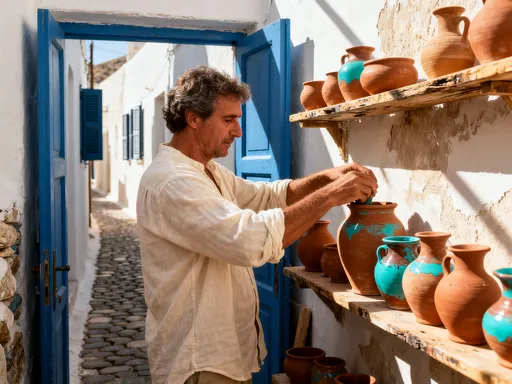
Self-driving transforms the travel experience from passive observation to active exploration. It allows travelers to escape the curated itineraries of group tours and instead follow personal curiosities—stopping at a hand-painted sign leading to a family-run ceramics workshop, lingering in a hillside town during a local patron saint festival, or pulling over to admire a mural that blends Guanche symbols with modern street art. The freedom of the open road enables deeper engagement with the islands’ layered identity, where African proximity, European governance, and Atlantic isolation have created a distinct cultural blend unlike any other in Europe.
What makes the Canaries particularly compelling for culturally minded drivers is the accessibility of artistic expression in everyday life. Unlike destinations where art is centralized in museums or urban districts, here it spills into public spaces. Volcanic rock walls become canvases; fishing nets are woven into textile art; traditional wooden balconies tell stories of Canarian craftsmanship passed through generations. By choosing to drive, travelers gain not only mobility but also intimacy—an ability to witness culture not as performance, but as lived reality. Whether navigating coastal highways or narrow mountain passes, every mile reveals another brushstroke in the archipelago’s evolving masterpiece.
The Open Road as a Cultural Compass: Choosing Your Route Wisely
Planning a driving route through the Canary Islands requires more than just mapping distances—it demands a cultural itinerary. Each island offers a different artistic and historical signature, and the most rewarding journeys connect these threads into a cohesive narrative. The key is to balance iconic destinations with lesser-known barrios, allowing time for spontaneity while maintaining a loose framework. With reliable ferry connections between islands, renting a car on each stopover ensures maximum flexibility and access to remote cultural sites often missed by public transport.
Tenerife and Gran Canaria provide dynamic urban centers where colonial history meets contemporary creativity. In Las Palmas de Gran Canaria, the historic district of Vegueta houses the Centro Atlántico de Arte Moderno, a museum dedicated to Atlantic-inspired modern art, while nearby neighborhoods like Triana burst with vibrant street murals depicting Canarian folklore. Meanwhile, Tenerife’s capital, Santa Cruz, blends modern sculpture with 18th-century architecture, and the nearby town of La Laguna—a UNESCO World Heritage site—offers a living canvas of student-led art installations and independent galleries.
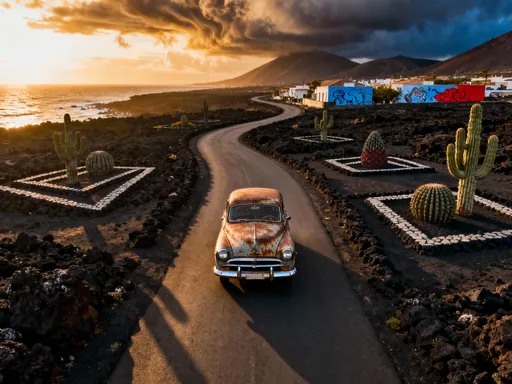
For those drawn to land art shaped by nature, Lanzarote and La Palma stand apart. Lanzarote’s entire landscape bears the imprint of artist and environmentalist César Manrique, whose vision transformed volcanic terrain into integrated art spaces. Driving routes here link Jameos del Agua, the Cactus Garden, and the Timanfaya National Park, creating a continuous dialogue between geology and human expression. La Palma, known as La Isla Bonita, offers a quieter but equally profound experience, with sculpture trails winding through laurel forests and coastal cliffs, often created by local artists using sustainable materials.
Meanwhile, Fuerteventura, El Hierro, and La Gomera invite slower exploration. These islands emphasize tradition over tourism, with driving routes leading to rural craft markets, ancient petroglyph sites, and music festivals rooted in Canarian folk traditions. The cultural compass, therefore, should not point solely to famous landmarks but also to moments of connection—conversations with artisans, unplanned detours to village fiestas, or quiet reflections at a roadside shrine adorned with wildflowers. A well-chosen route doesn’t just cover ground; it deepens understanding.
Lanzarote: Where Nature and Art Forge a Single Vision
Lanzarote stands as a testament to the power of artistic vision in shaping a landscape. More than any other island, it embodies the fusion of natural forces and human creativity, largely due to the legacy of César Manrique, a native son whose work redefined the island’s identity. A trained artist and architect, Manrique returned to Lanzarote in the 1960s with a mission: to ensure that development would not erase the island’s volcanic soul. His philosophy—“art in harmony with nature”—became the guiding principle for everything from architecture to urban planning.
Driving through Lanzarote is like moving through a living sculpture. The Timanfaya National Park, with its moon-like terrain of solidified lava flows, is not just a geological wonder but a carefully curated experience. Manrique designed the visitor center and restaurant within the park, embedding structures into the earth so they appear to grow from the rock itself. The use of natural materials, curved lines, and open-air spaces ensures that the architecture never competes with the landscape but instead enhances it. Even the method of cooking—using geothermal heat from volcanic vents—is a performance of nature’s artistry.
Just north of the park, Jameos del Agua is another masterpiece of integration. Built within a volcanic tunnel formed by ancient eruptions, the site combines a concert hall, a restaurant, and a unique ecosystem where blind white crabs thrive in an underground lake. Manrique preserved the natural acoustics and lighting, using minimal intervention to highlight the space’s inherent beauty. The result is a place where art, science, and nature converge in quiet harmony.
The Fundación César Manrique in Haría, his former home, offers an intimate look at his life and philosophy. Nestled in a lush valley, the house blends seamlessly with its surroundings, featuring lava rock walls, indoor gardens, and panoramic views of the surrounding hills. Today, it serves as a cultural center promoting sustainable art and environmental awareness. Along the coastal roads, smaller studios and galleries continue his legacy, with local artists using volcanic stone, recycled materials, and indigenous motifs in their work. Driving through Lanzarote is not merely a scenic tour—it is a pilgrimage through a landscape where every curve of the road reveals a deliberate act of creative reverence.
Street Art, Saints, and Stories: Gran Canaria’s Cultural Layers
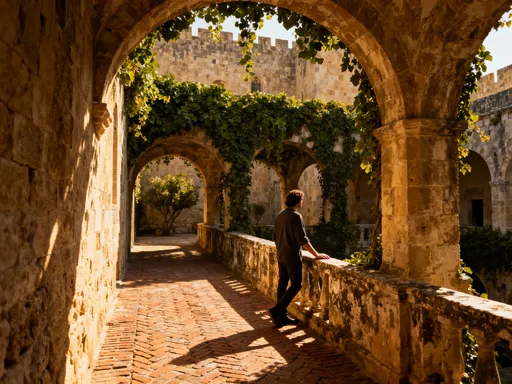
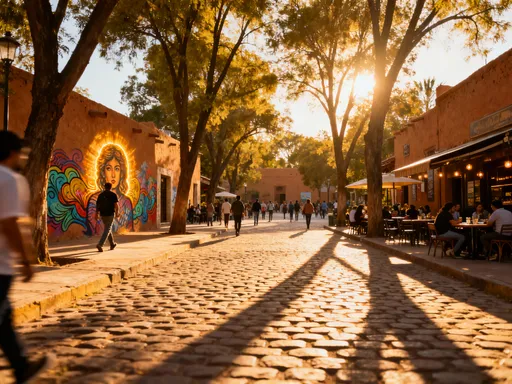
Gran Canaria presents a rich mosaic of cultural influences, visible in its architecture, festivals, and public art. While often associated with beach tourism, the island’s true depth lies in its urban and rural communities, where creativity flows as naturally as the trade winds. The capital, Las Palmas, is home to Vegueta, one of the best-preserved colonial districts in the Canary Islands. Cobblestone streets lead to 15th-century churches, grand mansions with wooden balconies, and museums that house both historical artifacts and contemporary works.
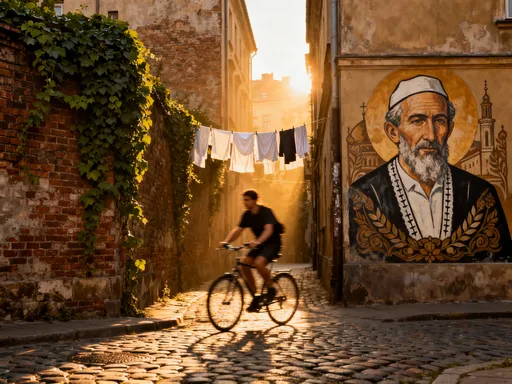
The Centro Atlántico de Arte Moderno (CAAM) stands as a cultural anchor in Vegueta, focusing on art from the Atlantic region, including Africa, Latin America, and the Caribbean. Its exhibitions often explore themes of migration, identity, and cultural exchange—subjects deeply relevant to Gran Canaria’s position as a crossroads of continents. Outside the museum, the streets themselves become an extension of the gallery. Murals depict everything from Canarian agricultural traditions to abstract interpretations of ocean currents, painted by both local and international artists.
Just a short drive from the city center, neighborhoods like La Isleta and Tamaraceite reveal another dimension of Gran Canaria’s artistic spirit. Fishermen’s homes are adorned with hand-painted shutters featuring maritime symbols, while public squares host rotating sculptures made from driftwood, rope, and recycled metal. These works often emerge from community projects, reflecting collective memory and environmental awareness. Craft markets in towns like Teror and Arucas offer further insight, where visitors can meet weavers using traditional looms, potters shaping clay with techniques passed down for generations, and woodcarvers crafting intricate religious figures.
Equally significant are the island’s religious festivals, many of which double as cultural performances. The feast of San Juan in June, celebrated on the beach of Las Canteras, blends pagan and Christian traditions with music, bonfires, and handmade costumes. In rural villages, the *bajadas*—religious processions honoring patron saints—feature elaborately decorated floats, folk music, and choreographed dances that have been performed for centuries. Driving allows travelers to time their visits with these events, experiencing culture not as a static exhibit but as a living, breathing tradition.
Tenerife’s Hidden Galleries: Beyond the Tourist Postcard
Tenerife, the largest of the Canary Islands, is often reduced to images of Mount Teide and beach resorts. Yet beyond these well-known landmarks lies a network of cultural spaces that reflect the island’s deep artistic roots. Driving into the Anaga Mountains, a UNESCO Biosphere Reserve, reveals a different Tenerife—one where fog-draped forests meet small villages preserving Guanche heritage. Here, community centers double as cultural hubs, displaying handwoven textiles, ceremonial masks, and oral histories recorded by local elders.
One of the most striking examples of Canarian craftsmanship can be found at Casa de los Balcones in La Orotava. This 17th-century mansion showcases traditional woodworking, lace-making, and pottery, with live demonstrations by artisans. The intricate wooden balconies, typical of Tenerife’s colonial architecture, are not merely decorative—they symbolize the island’s historical connection to Latin America, where similar styles were exchanged through trade and migration. The site also hosts rotating exhibitions of contemporary Canarian artists, bridging past and present.
In San Cristóbal de La Laguna, a university town with a youthful energy, the cultural scene thrives in independent galleries, pop-up exhibitions, and street art alleys. As a UNESCO World Heritage site, La Laguna preserves its historic grid layout, but its creative pulse comes from students and young artists who transform blank walls into vibrant murals. Themes often revolve around environmental sustainability, social justice, and Canarian identity, reflecting a new generation’s engagement with heritage.
Timing a visit with local fiestas enhances the experience significantly. The Carnival of Santa Cruz, one of the largest in the world, is a spectacle of music, dance, and elaborate costumes, but smaller village celebrations offer more intimate encounters. In Vilaflor, the highest village in Spain, the Fiesta del Vino celebrates local winemaking with folk music, traditional dress, and open-air art displays. Driving allows travelers to move between these events at their own pace, absorbing the rhythm of Tenerife’s cultural heartbeat without the constraints of fixed schedules.
La Palma and El Hierro: Slow Culture in the Deep West
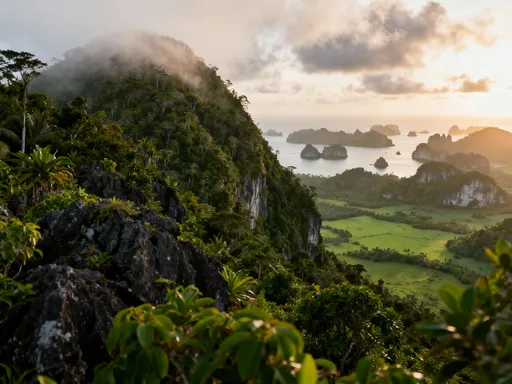
The westernmost islands of La Palma and El Hierro offer a retreat from the faster pace of the eastern Canaries. Known for their unspoiled landscapes and commitment to sustainability, they attract travelers seeking authenticity over convenience. Driving here is a meditative experience—roads wind through laurel forests, descend into volcanic calderas, and hug coastal cliffs where the only sounds are wind and waves. Art, in these islands, is not loud or flashy; it is subtle, integrated, and often born from a deep respect for nature.
La Palma, designated a UNESCO Biosphere Reserve, features several open-air sculpture trails. The Ruta de los Volcanes, a long-distance hiking path, also passes through installations made from basalt, wood, and recycled materials. These works, often created during international art residencies, respond to the island’s geological history and ecological fragility. In the town of Tazacorte, a riverside promenade displays sculptures inspired by banana farming, the island’s primary agricultural product, honoring the labor and tradition behind its economy.
Religious festivals on La Palma, such as the Bajada de la Virgen de las Nieves, occur only once every few decades and involve years of preparation. The processions include handcrafted floats, embroidered garments, and music performed on traditional instruments. These events are not tourist attractions but community-centered rituals, where art and faith intertwine. Driving allows visitors to witness these moments respectfully, parking at a distance and approaching on foot to honor local customs.
El Hierro, the smallest and least visited island, takes sustainability as its core value. It generates nearly all its energy from renewable sources and promotes eco-conscious tourism. Here, art studios often use reclaimed materials—driftwood, volcanic stone, discarded fishing nets—to create pieces that reflect the island’s environmental ethos. The annual Festival de Música de Concierto brings classical and contemporary performances to historic sites, transforming churches and plazas into concert halls. Driving through El Hierro is less about ticking off sights and more about absorbing a way of life where creativity grows from simplicity and stewardship.
Practical Magic: Self-Driving Tips That Keep Culture in Focus
While the romance of a Canarian road trip lies in spontaneity, practical preparation ensures a smooth and enriching journey. Renting a reliable car is essential, preferably with GPS and air conditioning, especially for longer drives across arid zones. Since mobile signals can be weak in mountainous or rural areas, downloading offline maps through apps like Google Maps or Maps.me is highly recommended. These tools help navigate narrow roads, one-way streets in old towns, and remote villages without connectivity.
Understanding local driving norms enhances both safety and cultural respect. Roads in the Canaries, particularly in mountainous regions, are often narrow, winding, and steep. Drivers should take their time, use mirrors frequently, and honk lightly when approaching blind curves—a common courtesy to alert oncoming traffic. Parking in historic towns may require using public lots on the outskirts, as old districts were not designed for modern vehicles.
Equally important is respecting protected areas. Many cultural and natural sites, such as national parks or archaeological zones, have restricted access or require permits. Visitors should follow posted guidelines, stay on marked paths, and avoid touching rock art or removing natural materials. Supporting local culture also means patronizing family-run restaurants, buying crafts directly from artisans, and attending community events with humility and appreciation.
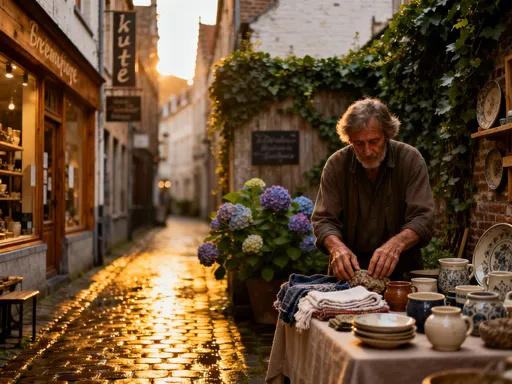
The goal of a cultural road trip is not to maximize the number of stops but to deepen the quality of each encounter. This means allowing time to sit in a village square, chat with a shopkeeper, or photograph the details—a painted door, a woven basket, a child’s drawing taped to a wall. These moments, often unplanned, become the most lasting. Driving through the Canary Islands, when done with intention, becomes a rhythm of discovery, where every mile brings a new layer of understanding.
More Than a Journey—A Living Canvas
A self-drive journey through the Canary Islands transcends the idea of travel as mere sightseeing. It becomes a dialogue—with landscapes shaped by fire and sea, with communities preserving traditions through art, and with a history that bridges continents. The road, in this context, is not just a path from one place to another but a moving perspective, a way of seeing culture in motion. Each island contributes a different hue to the archipelago’s collective portrait: Lanzarote’s bold strokes of volcanic art, Gran Canaria’s layered textures of street expression, Tenerife’s intricate craftsmanship, and the quiet earth tones of La Palma and El Hierro.
What emerges is not a checklist of destinations but a lived experience, where creativity is not separate from daily life but woven into it. The murals on village walls, the music drifting from a chapel, the handmade sign pointing to a hidden studio—all are invitations to look closer, to listen, and to connect. For the traveler behind the wheel, the journey becomes a form of participation, a way of honoring the islands’ soul by engaging with it at eye level.
Ultimately, the Canary Islands remind us that culture is not static. It evolves, adapts, and expresses itself in unexpected forms. Driving through them is not about speed, but about presence—about allowing the landscape to speak, the people to share, and the art to unfold naturally. When the engine finally stops, the real journey continues: in memory, in reflection, and in the quiet inspiration of having witnessed a world where wheels, walls, and wonder move as one.