From Overwhelmed to Unplugged: How Evening Planning Apps Gave Me Back My Nights
After the laptop closes, the real chaos begins. Between family time, chores, and that endless mental to-do list, peace feels impossible. I’d lie in bed replaying the day, dreading tomorrow. The weight of unfinished tasks, unread messages, and the nagging feeling that I hadn’t truly *finished* anything clung to me like a second skin. My mind stayed in work mode long after I’d left my desk. Then I discovered how simple evening planning apps could transform my post-work hours—not by adding more tasks, but by helping me release them. This is the quiet tech shift that didn’t just organize my schedule—it restored my calm.
The Hidden Stress of "After Work" Hours
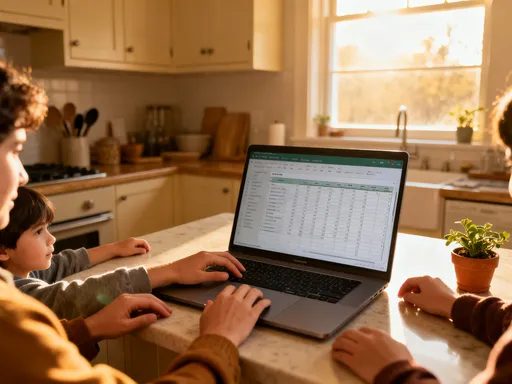
When I first started working from home, I thought the hardest part would be staying focused during the day. I bought a standing desk, downloaded focus timers, and even tried the Pomodoro technique with colorful stickers. But what no one warned me about was the emotional crash that came after logging off. The workday might end at 5:30 or 6, but my brain didn’t get the memo. I’d walk into the kitchen to start dinner, only to catch myself checking my work email on my phone. Again. My daughter would ask about her school project, and I’d nod along while mentally drafting a reply to my manager. That split focus wasn’t just inefficient—it was exhausting.
The truth is, for many of us, especially those juggling remote work and family life, the transition from professional to personal isn’t automatic. It’s a skill we have to learn. Without a clear boundary—like closing the office door or commuting home—work bleeds into everything. The mental load doesn’t disappear; it just shifts. And by the time I got the kids to bed, I’d be drained, wired, and somehow still restless. I wasn’t present for my family, and I wasn’t at peace with myself. I started to realize that the problem wasn’t how much I was doing. It was that I wasn’t truly *ending* my day.
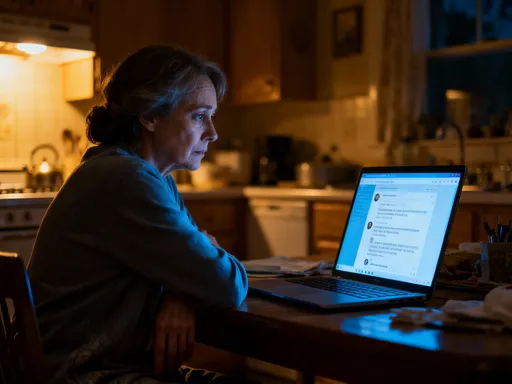
Evening stress often flies under the radar because it doesn’t look like a packed inbox or a tight deadline. It looks like lying in bed, heart racing, thinking about a meeting tomorrow. It looks like snapping at your partner because you’re overwhelmed, then feeling guilty minutes later. It looks like scrolling through social media at 10:30 p.m., not because you want to, but because you don’t know how to stop your brain from spinning. That’s when I knew I needed more than a to-do list. I needed a ritual. Something that told my brain: *It’s okay. You can rest now.*
Why Traditional Planners Fall Short at Night
I’ve tried every kind of planner you can imagine—paper ones with stickers and washi tape, digital calendars color-coded by priority, apps that promise to turn me into a productivity ninja. And while they helped during the day, they made my evenings worse. Opening my calendar at night felt like opening a trapdoor. There it was: tomorrow’s 8 a.m. meeting, the school event I forgot to sign up for, the dentist appointment I’d rescheduled three times. Instead of winding down, I’d spiral. My chest would tighten. My shoulders would rise. That sense of calm I craved? Gone.
The problem wasn’t the planners themselves. It was their purpose. Most planning tools are built for output, not peace. They’re designed to keep you moving, checking boxes, climbing the ladder. But in the evening, what we really need is the opposite: stillness, closure, permission to stop. A traditional planner doesn’t offer that. It doesn’t say, *You did enough.* It doesn’t help you let go. In fact, it does the opposite—it reminds you of everything you haven’t done.
That’s when I discovered a new kind of app—one designed not for the hustle, but for the hush. These evening-focused tools aren’t about maximizing your time. They’re about honoring your energy. They don’t open with a list of deadlines. They open with a gentle question: *How are you feeling tonight?* Or a soft chime that says, *Time to pause.* Some even use warm, muted colors instead of bright red alerts. No pop-ups. No push notifications after 8 p.m. The interface feels like a deep breath. One app I tried even asks you to record a voice note summarizing your day—like journaling, but easier. You speak your thoughts, and the app transcribes them quietly. No pressure to write perfectly. Just release.
The Right Tech for the Right Time: Designing for Evening Calm
Technology doesn’t have to be loud to be effective. In fact, the most powerful tools are often the quietest. Evening planning apps work because they’re designed with intention—not to keep you busy, but to help you *unplug.* They understand that the end of the day isn’t just a time to schedule tomorrow. It’s a chance to reflect, reset, and reconnect with yourself.
One feature that changed everything for me was the “close-the-day” ritual. Instead of just marking tasks as done, the app guides me through a short sequence: What went well today? What can I let go of? What’s one small win? It takes less than five minutes, but it creates a mental bookmark. It’s like putting a period at the end of a sentence instead of leaving it hanging with a comma. That small act of closure signals to my brain that the day is complete. No loose ends. No lingering guilt.
Another game-changer? The one-tap task deferral. Instead of staring at a long list of unfinished items, I can tap a button that says, *Move this to tomorrow,* and it’s done. No rethinking. No stress. The app holds it for me, so I don’t have to. It’s like handing a heavy bag to someone who says, *I’ve got this.* And because the app only lets me carry over a few key items, I’m forced to prioritize. Not everything deserves to follow me into the next day.
Some apps also include mood check-ins. Before I log off, I tap an emoji that matches how I feel—tired, proud, overwhelmed, peaceful. Over time, I started to see patterns. I noticed that on nights when I skipped my planning routine, I slept worse. On nights when I wrote down one thing I was grateful for, I fell asleep faster. These small prompts didn’t fix everything, but they helped me tune in. They reminded me that my well-being matters as much as my to-do list.
A Simple Routine That Changed My Evenings
I won’t lie—when I first heard about evening planning apps, I was skeptical. Five more minutes on my phone before bed? That sounded like the opposite of relaxation. But the ones I tried weren’t about screen time. They were about *meaningful* time. And once I committed to just five minutes a night, everything shifted.
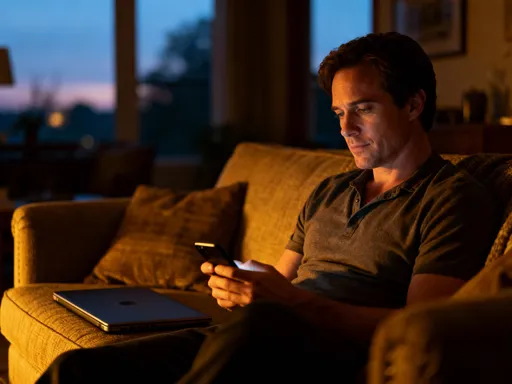
Here’s what my routine looks like now: Right after the kids’ bedtime stories, I sit on the couch with my tablet—no laptop, no work email. I open my evening app and start with one question: *What three things do I want to focus on tomorrow?* Not ten. Not twenty. Just three. This tiny limit forces me to think about what truly matters. Is it finishing a report? Picking up groceries? Calling my mom? Once I decide, I write them down. Just seeing them listed gives me a sense of control. I don’t have to remember them. The app does.
Next, I review what I *did* accomplish today. Not the big wins—though those are nice—but the small ones. Made lunch for the kids? Done. Responded to that tricky email? Done. Took a five-minute walk? Done. The app lets me check them off with a soft tap and a quiet chime. No fireworks. No fanfare. Just acknowledgment. And somehow, that small act of recognition makes me feel seen. Like my effort mattered.
Finally, I end with gratitude. I type or speak one thing I’m thankful for from the day. It could be as simple as *the sun came out during my walk* or *my daughter laughed at dinner.* At first, this felt a little forced. But over time, it rewired my brain. Instead of ending the day with stress, I ended it with warmth. And that shift—subtle as it was—made a huge difference in how I slept, how I woke up, and how I showed up the next day.
How My Family Noticed the Difference
One night, my husband looked at me during dinner and said, *You seem… lighter lately.* I didn’t know what he meant at first. Then he added, *You’re actually here. Like, really here.* That hit me. Because for so long, I hadn’t been. I was physically present, but mentally miles away—planning, worrying, solving problems that could wait.
Since I started my evening routine, I’ve stopped pulling out my phone during meals. I don’t disappear into my office after dinner “just to check one thing.” I’m more patient when the kids ask the same question five times. I laugh more. And bedtime stories? I actually listen now. I watch my daughter’s face as she turns the pages. I hear the way my son changes voices for each character. Those moments used to be background noise while I mentally drafted emails. Now, they’re the highlight of my day.
My kids have noticed, too. My daughter asked me last week, *Mom, are you less tired now?* I told her I was trying to take better care of myself. She hugged me and said, *Good. Because I like when you’re not stressed.* That broke my heart in the best way. I realized that my stress wasn’t just mine—it was ours. And my peace? That’s theirs, too.
Using an evening planning app didn’t just change my relationship with time. It changed my relationship with my family. I’m more present. More patient. More joyful. And that’s not because I’m doing more. It’s because I’m doing less—less mental juggling, less emotional carrying, less silent suffering. The app holds the weight so I don’t have to. And in return, I can show up as the mom and partner I want to be.
Choosing the App That Fits Your Life (Not the Hype)
If you’re thinking about trying an evening planning app, I’ll be honest: not all of them are created equal. Some feel like they’re judging you. *You didn’t complete your gratitude journal!* they seem to say. Others are so flashy they feel like a video game—badges, points, leaderboards. But that’s not what this is about. This isn’t about performance. It’s about peace.
When I was searching, I looked for a few key things. First, simplicity. I didn’t want a tool that required a tutorial. I wanted something intuitive—something I could use even when I was tired. Second, gentleness. I wanted soft colors, calm sounds, and no pressure. No red alerts. No guilt-tripping messages. Third, privacy. This is personal stuff—my thoughts, my feelings, my to-do list. I needed to know it was safe.
I also made sure the app didn’t demand perfection. Life is messy. Some nights, I only have two minutes. Some nights, I forget altogether. The best apps welcome you back without judgment. They don’t make you start over. They don’t shame you. They just say, *Welcome back. Ready to pause?*
My advice? Try a few. Most have free versions. Use them for a week. See how they make you feel. Do you feel calmer? More in control? Or more stressed, like you’re adding another task to your plate? Trust your gut. The right app shouldn’t feel like work. It should feel like a deep breath. It should feel like coming home.
Reclaiming Your Evenings, One Gentle Pause at a Time
We often think of technology as the enemy of peace. Another screen. Another distraction. Another thing pulling us away from what matters. And yes, some tech does that. But not all of it has to. When used with intention, technology can be a bridge—not a barrier—to the life we want.
Evening planning apps didn’t turn me into a supermom. They didn’t make my schedule perfect or my days stress-free. But they gave me something more valuable: the ability to let go. To close the day with kindness instead of criticism. To step away from work without guilt. To be fully present for my family—and for myself.
Peace isn’t found in doing more. It’s found in releasing what we don’t need to carry. And sometimes, the smallest tech choices can create the biggest shifts. Five minutes a night. One gratitude note. One task deferred. That’s all it took to transform my evenings from chaotic to calm.
If you’re lying awake tonight, replaying the day or dreading tomorrow, know this: you’re not alone. And you don’t have to white-knuckle your way through it. There’s a gentler way. A quieter way. A way that honors your effort, respects your limits, and makes space for rest.
You don’t need to change everything. Just start with one pause. One evening. One breath. Let the app hold what you don’t have to. And let yourself—finally—unplug.